TIN in Nigeria: Everything You Need to Know About the TIN & CAC Tax System (2026 Update).
For many Nigerians, Tax Identification Number (TIN) has always sounded confusing, stressful, or even unnecessary, until you need to open a bank account, register a business, or comply with government regulations.
Now, everything is changing.
With the Nigeria Tax Administration Act (NTAA) and the Federal Inland Revenue Service (FIRS) reforms, Nigeria is moving toward a simpler, unified tax identification system—one that officially takes full effect on January 1, 2026.
In this article, we’ll break it all down clearly, practically, and without jargon.
What Is a TIN in Nigeria?
A Tax Identification Number (TIN) is a unique number used to identify individuals and businesses for tax purposes in Nigeria.
Traditionally, Nigerians had to:
Apply separately for a TIN
Deal with multiple agencies
Carry different numbers for banking, CAC, and tax matters
This led to duplication, confusion, and low compliance.
That era is ending.
The Big Change: NIN & CAC Numbers Are Now Your Official TIN
Starting January 1, 2026, Nigeria adopts a single-identifier system:
For Individuals
Your National Identification Number (NIN) is now your official TIN.
No separate TIN application No physical TIN card required Your NIN automatically functions as your tax ID
For Businesses
Your CAC Registration Number (RC Number) is now your business TIN.
No additional tax number Your CAC certificate already contains your tax identity
This reform is designed to simplify compliance, improve transparency, and modernize Nigeria’s tax system.
Why the Government Introduced This Reform
The integration of NIN, CAC, and TIN is not accidental. It was introduced to:
Reduce tax evasion
Eliminate multiple registrations
Improve data accuracy
Strengthen financial transparency
Make compliance easier for citizens and businesses
In simple terms: one person, one ID; one business, one ID.
What This Means for Nigerians (In Real Life)
No More Separate TIN Applications
If you already have a NIN (individual) or CAC RC number (business), you are already in the system.
Banks Will Use NIN/CAC as TIN
Banks and financial institutions are now required to:
Request your NIN or CAC number
Automatically retrieve your tax profile during KYC checks
Link accounts to your tax identity
From January 1, 2026, taxable persons without linked IDs may face account restrictions.
Who Is Required to Comply?
Individuals Who Earn Income
Employees
Business owners
Freelancers
Consultants
Contractors
If you earn taxable income, your NIN is mandatory for tax and banking purposes.
All Registered Businesses
Companies
Business names
Enterprises
NGOs involved in economic activities
Your CAC RC number is compulsory.
Who Is Generally Exempt?
Students
Dependents
Individuals with no source of taxable income
They may operate basic bank accounts without tax enforcement.
How Banking & KYC Will Work Going Forward
When opening or maintaining a bank account:
You provide your NIN or CAC RC number
The bank system retrieves your tax profile automatically
Your account is linked to your tax identity
Transactions become compliant with NTAA regulations
This process is automatic and digital no paperwork stress.
How to Verify Your Tax Identification Status
Even though you no longer need a physical TIN, you can still verify your status:
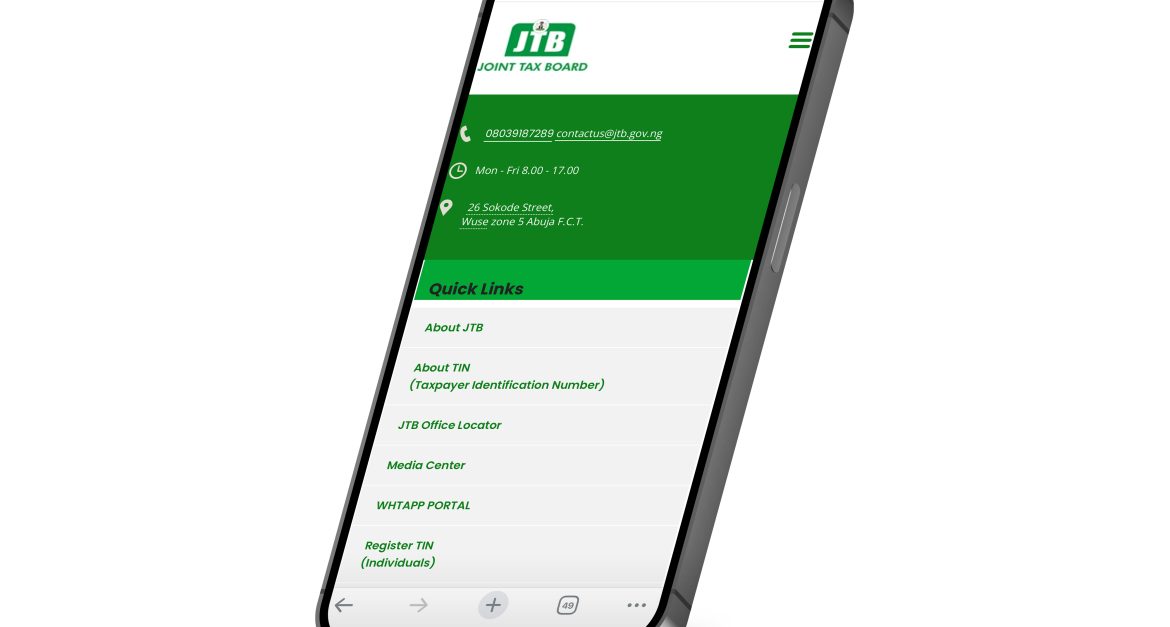
Use the Joint Tax Board (JTB) TIN Verification Portal
Check via FIRS platforms such as TaxPro Max
Confirm through your bank during KYC updates
This helps ensure your records are clean and accurate.
What If You Don’t Have an NIN or Your CAC Details Are Wrong?
For Individuals
Register with NIMC if you don’t have a NIN
Update incorrect names, dates, or biometrics
Your NIN becomes your tax ID automatically.
For Businesses
Ensure your business is properly registered with CAC
Correct any errors in your CAC records
Keep your RC number accessible
This ensures seamless integration with tax and banking systems.
Penalties & Compliance Risks
Failure to comply may result in:
Restricted bank transactions
Delayed account openings
Regulatory penalties (depending on circumstances)
Compliance is not optional for taxable persons.
What You Should Do Now (Action Steps)
Individuals
Confirm you have a valid NIN
Ensure your bank account is linked
Keep your personal data updated
Businesses
Verify your CAC registration
Use your RC number consistently
Align tax and banking records
Preparing early prevents disruption in 2026.
Conclusion
Nigeria’s new tax identification framework is a smart step toward simplicity and accountability.
If you understand it early and prepare properly, compliance becomes easy—and stress-free.
The key takeaway:
Your NIN is your TIN. Your CAC number is your business TIN.
Simple. Unified. Efficient.
Need Help With Business Registration, Tax Compliance, or Digital Strategy?
We use cookies to improve your experience, understand how our website is used, and support our marketing. By clicking Accept, you agree to our use of cookies. You can manage your preferences at any time. Accept All