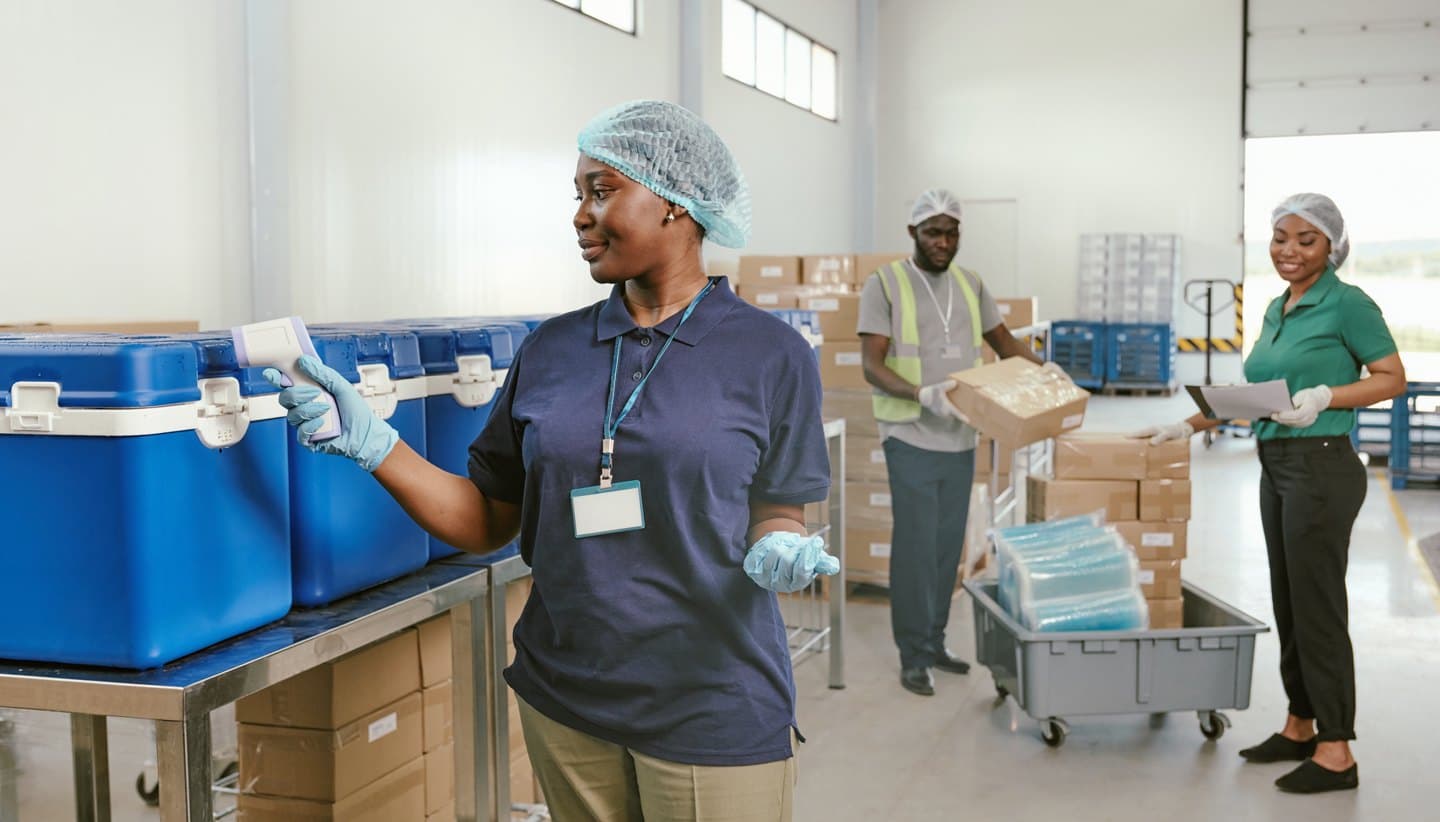
A same-day grocery promise means very little if frozen food arrives partly thawed or chilled products spend hours in a warm delivery vehicle. Abuja grocery sellers need an operating design that respects temperature, distance and actual transport capacity. Customers see the website, but trust is earned in the warehouse, the dispatch handoff and the moment the order reaches their door.
Separate products by real handling requirements
Begin with the items sold, their manufacturer storage instructions and the applicable food-safety requirements. Dry groceries, chilled dairy, frozen meat and sensitive fresh produce do not all belong in one standard bag. Store SKUs with correct handling categories and shelf-life information; do not guess safe temperatures. Qualified food-safety advisers and supplier documentation should guide packaging and monitoring standards.
Photograph the actual packing process for customer education, but do not use a decorative icebox picture as evidence that every consignment is monitored. Record how long the item may be handled outside controlled storage, who checks it and what happens if its condition becomes doubtful. A promotion is not worth creating a health or trust risk.
Design dispatch zones around capacity
Map delivery areas against real travel conditions in Abuja, rider availability and insulated packaging capacity. A customer should choose a delivery window the business can consistently serve. Do not offer a broad citywide one-hour guarantee before you have evidence of fulfilment performance. Adjust delivery eligibility by product category, dispatch site and the number of orders already accepted.
Use a routing and dispatch system that records order status and delivery exceptions, while allowing staff to stop a shipment that fails an inspection. Where location tracking is used, explain its purpose and protect customer address information. Customers benefit from a clear delivery estimate and timely exceptions more than a fabricated real-time map animation.
Make the cold-chain handoff verifiable
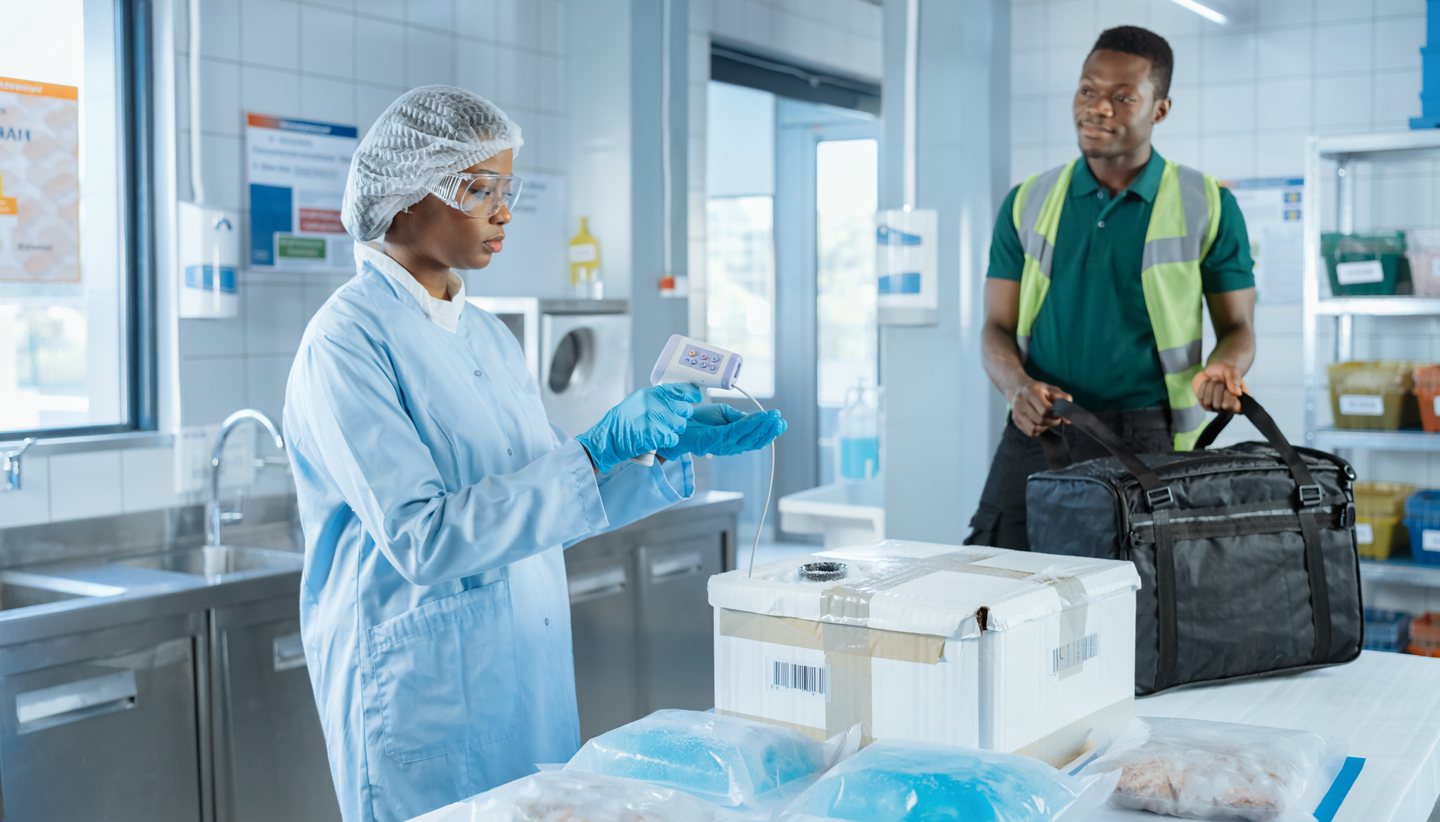
For each order, record picking time, packing completion, appropriate condition checks, courier acceptance and delivery confirmation. Train staff to use the chosen monitoring method and keep evidence proportionate to the risk. Failed condition checks must trigger a hold, a replacement decision or an honest customer update. Do not instruct couriers to deliver questionable stock merely to protect an advertised delivery promise.
Use ordinary order-management software or an integrated e-commerce platform to associate the correct SKU with handling instructions. A practical dashboard should show orders requiring cold packing, dispatch-ready status, at-risk delays and unresolved customer issues. This reduces separate phone calls and lost paper slips while keeping human responsibility visible.
Tell customers the truth before checkout
Product pages should include accurate storage information, available quantities, delivery areas, charges and substitution rules. Ask for permission before replacing a missing frozen item with a different brand or size. Explain how customers should inspect a delivery and report a product-quality concern, without requiring them to disclose unnecessary personal information.
A helpful digital marketing plan can teach shoppers how the store handles perishable goods using real photos and short warehouse demonstrations. Send search and social traffic to actual available products, not generic offers that cannot be fulfilled. Avoid using “freshest”, “safest” or “guaranteed” claims that the business cannot substantiate.
Improve based on fulfilment evidence
Compare temperature or condition failures, late deliveries, damaged goods, refunds, order accuracy and repeat purchase rates by zone and product category. Investigate route clusters where problems persist before expanding. E-commerce development, inventory integration, operational analytics and CRM automation can make the customer and back-office experience work together, but food handling procedures must be sound before software is added.

Wisdom Egba
Strategist, Growth Architect and Technology Consultant.
Comments
No approved comments yet. Start the conversation below.